Plumber in Lubbock, TX
If you have a leak, a blocked drain or no hot water, we can send a licensed local plumber to your home.
Plumbing repairs we handle in Lubbock
Our plumbing repairs fall into four groups. Pick the group that matches your problem, then open the repair page for the common causes, the first steps to take at home and what a plumber in Lubbock checks on the visit.
Leaks and burst pipes
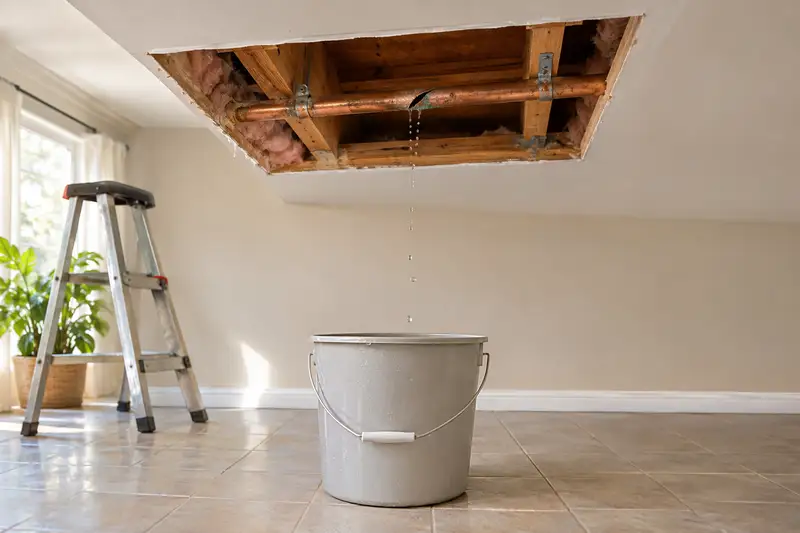
Water where it should not be, from a split pipe to a leak under the slab.
Drains and sewer lines
Slow sinks, standing showers and sewage coming back up.
Water heaters and gas lines
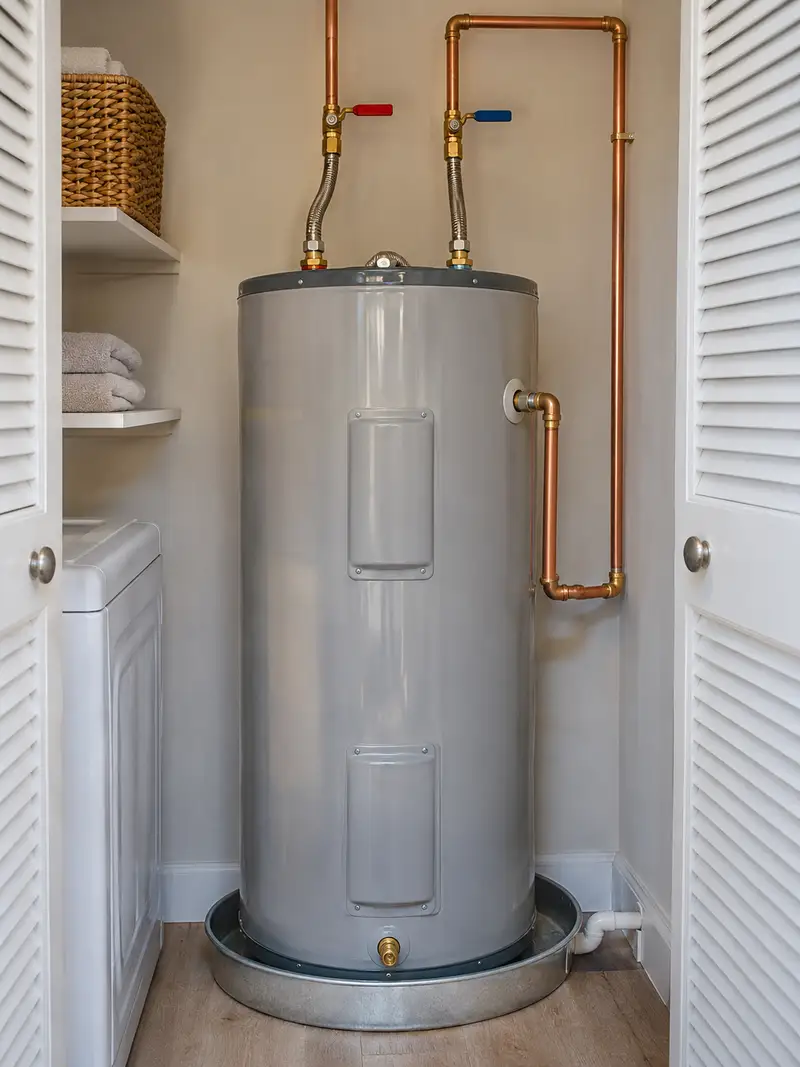
Hot water problems and the gas piping that feeds your appliances.
Toilets, faucets and hard water
Running toilets, dripping faucets and the mineral buildup hard water leaves behind.
A plumber in Lubbock who explains the problem first
What happens when you contact us
Most people look for a plumber in Lubbock when something has already gone wrong. The floor is wet, guests are on the way or the shower went cold. You need a clear answer quickly.
You tell us what is happening and we ask a few questions to narrow it down. A licensed local plumber then comes out, finds the actual cause and explains your options before starting any work.
We look for the cause
For example the worn valve behind a drip, or the sag in a pipe that keeps clogging.
Plain explanations
You hear what is wrong in everyday words.
Licensed local plumbers
Qualified for water, drain and gas piping.
You decide
Nothing is done until you say yes.
Five minute checks before you call a plumber
These help you describe the problem, and sometimes they solve it
You will not need any tools for these checks, and none of them bring you near wiring or gas. They help you tell the plumber exactly what is happening.
Find the main water valve
It is usually on a garage wall, in the laundry closet or in a box near the front hose bib. Find yours before you need it.
Run each drain on its own
If only one sink is slow, the clog is in that drain. If several drains are slow together, the problem is usually in the main sewer line.
Check the water meter
Turn off every tap and look at the small flow indicator on the meter. If it still moves, water is leaking somewhere.
Read the water heater label
The age and size on the label help the plumber bring the right parts.
Notice any sewer smell
A sewer smell with gurgling drains often means a partial blockage or a dry trap.
Test the outdoor faucets
After a freeze, a cracked hose bib may only leak while the water is running.
Small plumbing problems that need attention soon
Have these looked at before they get worse
Several slow drains at once
The main sewer line is narrowing, and a tub or floor drain may back up next.
Higher water use than usual
If your routine has not changed, a hidden leak is the most likely cause.
A warm spot on the floor
Hot water may be escaping from a pipe under the slab.
Rust or water at the tank base
A fitting or the tank itself is starting to fail.
A toilet that refills by itself
A worn flapper is letting water run all day.
No water after a freeze
A frozen pipe may crack as it thaws, so watch it closely.
In Lubbock, frozen pipes during cold snaps and kitchen drain clogs around the holidays are two of the most common reasons people call a plumber. Each problem above has its own repair page, and dealing with it early usually means a smaller repair.
How a plumbing repair works from the first call
Four steps, and you approve the work
Tell us what is happening
Explain where you see water, which sinks, tubs or toilets are involved, whether water is still flowing and your ZIP code.
A licensed plumber comes out
The plumber looks at the problem and everything connected to it to find the cause.
You hear your options
Repair, replace or keep an eye on it, explained in plain words.
You decide
Say yes, ask more questions or wait a day before deciding.
Photos help. A picture of the leak, the water heater label or the backed up drain helps the plumber bring the right parts on the first visit.
Plumbing maintenance in Lubbock through the year
Each season brings a few plumbing jobs worth doing. A small task at the right time prevents many of the repairs people call a plumber in Lubbock for.
| Season | What to watch for | Simple jobs worth doing |
|---|---|---|
| Fall | The first hard freeze | Disconnect hoses, cover outdoor faucets and test the main water valve. |
| Winter | Frozen and cracked pipes | Keep the heat on and open sink cabinets on outside walls on very cold nights. |
| Holidays | Kitchen drain clogs | Pour grease into a jar, scrape plates and space out showers. |
| Spring | Outdoor faucets that cracked over winter | Turn on each hose bib and check the wall behind it for leaks. |
| Summer | Water heater sediment and wet spots in the yard | Flush some sediment from the tank and watch for wet ground over the water line. |
Should you repair or replace it?
Many plumbing problems could be solved with either a repair or a replacement. The plumber explains both choices, and you decide.
A repair usually makes sense when
- One part failed on a fixture that is otherwise in good shape.
- The damage is in one spot on older pipe.
- A drain has clogged for the first time.
- Parts for your model are easy to find.
A replacement is worth considering when
- The same problem keeps coming back every few months.
- Water is leaking from the water heater tank itself.
- The pipe is rusted or leaking in several places.
- The fixture is so old that parts are hard to find.
Either way, ask what caused the problem. Fixing the cause is what stops it from happening again.
What a plumber in Lubbock checks on the first visit
More than the part you called about
A good first visit looks at the problem and the plumbing around it. That is how the real cause gets found, along with anything else you should know about.
- The main water valve, to make sure it turns and shuts off fully.
- The water pressure in the house, because high pressure wears out joints and hoses early.
- The water heater, including its age, its relief valve and its connections.
- Drains and roof vents, when more than one fixture is slow or gurgling.
- The braided supply hoses under sinks and behind toilets, for rust or bulges.
The plumber tells you what each finding means. Anything that can wait is marked that way, so you can plan for it.
Plumbing guides to read before you need them
A plumber in Lubbock can fix almost any plumbing problem, but what you do in the first few minutes matters too. These guides explain what you can safely do yourself.
- The plumbing emergency steps list the first things to do for each type of emergency, from a burst pipe to a gas smell.
- The guide on how to turn off the main water valve shows where the valve usually is and what to do if it is stuck.
- The guide on how to keep pipes from freezing has a fall checklist and a plan for very cold nights.
- The guide to slab leak symptoms explains the meter checks that confirm a leak under the floor.
Reading one of them on a quiet evening makes the next plumbing problem much less stressful.
Plumbing help for tenants, landlords and townhomes
If you rent, report a leak to your landlord or property manager straight away, by text or email as well as a call. Then turn off the water and move your belongings out of the way.
Landlords and property managers are welcome to contact us about a rental they look after. Have the tenant contact details and access arrangements ready, and let us know whether someone will be home.
In a duplex or townhome, water can travel through a shared wall. Let your neighbor know quickly if the leak might reach their side.
Lubbock ZIP codes we serve
Plumber Lubbock TX serves homes throughout Lubbock, Texas. Homes in any of the ZIP codes below can contact us about a plumbing problem, and a licensed plumber can come out.
- 79401
- 79403
- 79404
- 79406
- 79407
- 79410
- 79411
- 79412
- 79413
- 79414
- 79415
- 79416
- 79423
- 79424
Not sure whether your street is covered? Give us your ZIP code and we will confirm it.
Questions about plumbers in Lubbock
Short answers to the questions homeowners ask us most. The repair pages and guides go into more detail.
How do I know if I should call a plumber now or wait?
Call straight away for water you cannot stop, several drains backing up at once, sewage, a leaking water heater or any smell of gas. A dripping faucet, a single slow sink or a toilet that runs once in a while can usually wait a day or two.
Where is the main water valve in a Lubbock home?
It is usually on a garage wall, in a laundry or utility closet, next to the water heater or near the front hose bib where the water line enters. There is also a curb stop in the meter box by the street.
A pipe just burst in my house. What comes first?
Shut the main water valve first. From a dry spot, flip off the breakers for any rooms that are wet, then let the lowest faucet in the house run until the pipes empty. After that, lift your belongings off the floor.
Why are several drains slow at the same time?
If two or more fixtures drain slowly together, the clog is almost always in the main sewer line, not in one drain. Use as little water as possible until the line is cleared.
What are the signs of a slab leak?
Watch for a patch of floor that feels warm, water you can hear running when every faucet is off and a water meter that never stops moving. The slab leak symptoms guide explains each one.
Is my water heater worth repairing?
Age alone does not decide it. One failed part is often worth repairing, but a tank that leaks from its body needs replacing.
How do I keep my pipes from freezing?
Take garden hoses off their faucets, fit a cover over each outdoor faucet, leave the heating on and open the cabinet doors under sinks that sit on outside walls. On the coldest nights, leave one faucet dripping.
Do plumbers work on water softeners?
Yes. A plumber can install, repair or bypass a water softener or a whole house filter and check how it connects to the water heater and the water line.
What should never go down a drain?
Cooking grease, oil, coffee grounds and harsh chemical drain cleaners. They cause most kitchen clogs and can damage older pipes.
Is the plumber who comes out licensed?
Yes. Licensed local plumbers do the work, and gas lines are only ever worked on by a licensed plumber.
Will I hear my options before any work starts?
Yes, every time. The plumber explains what was found and the possible repairs, and no work starts until you agree.
Which homes do you serve?
Homes throughout Lubbock, Texas. The ZIP codes we serve are listed above.
Why does my water heater make a rumbling noise?
A layer of sediment forms at the bottom of the tank, and pockets of water beneath it boil into steam each time the burner lights. Flushing the tank often quiets it, and a plumber can check whether the tank is still sound.
Why does my toilet refill by itself?
The rubber flapper in the tank has usually worn out, so water seeps into the bowl and the tank refills again and again. It is one of the smallest plumbing repairs there is.
Is a water softener worth it in Lubbock?
It depends on your water and your household. A plumber can explain what a softener or filter would change and how it connects to the rest of your plumbing.
Can I use water while I wait for the repair?
If the leak is at one fixture, closing the shutoff valve for that fixture usually leaves the rest of the house working. If you closed the main water valve, leave it closed until the repair is done.
Why does a faucet drip even when the handle is off?
The cartridge or washer inside is worn and lets water past. Replacing that one part usually stops the drip, and the plumber can tell you whether the faucet itself is worth keeping.
What does a gurgling drain mean?
Air is being pushed back up through the water in the trap. A partly blocked sewer line or a blocked roof vent are the usual causes, and both should be checked before the drain stops completely.
How long do most plumbing repairs take?
Small jobs like replacing a faucet cartridge or a toilet fill valve, or clearing a simple clog, usually take one visit. Larger jobs are scheduled with you so you know how long the water or gas will be off.
Does someone need to be home for the visit?
For the first visit, yes if possible, so someone can show the plumber the problem and hear the options. Follow up work can be arranged around your schedule.
Can a plumber check all my plumbing on one visit?
Yes. Mention everything you have noticed, from a slow tub to a dripping valve, and the plumber can look at all of it on the same visit and tell you what needs attention first.